
How to Store Furniture in a Storage Unit the Right Way
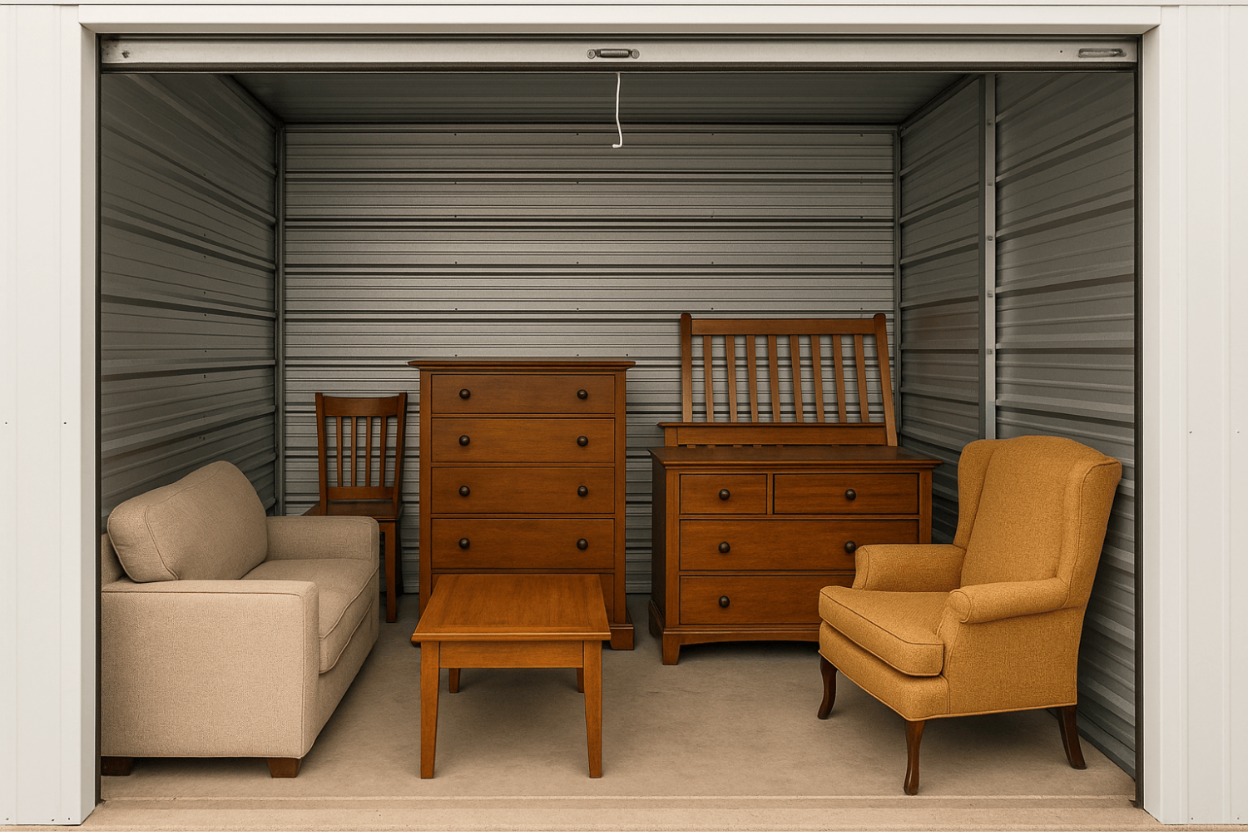
Moving across town, renovating the kitchen, downsizing after the kids leave, or squeezing a one-bedroom into a studio while you save for a house. These are the moments that send sofas, dressers, and dining tables into storage. Knowing how to store furniture in a storage unit correctly is the difference between pulling out a couch that looks brand new and finding warped wood, musty cushions, or cracked leather six months later.
Most storage damage is completely preventable. The culprits are almost always the same: skipping the cleaning step, wrapping items in airtight plastic that traps moisture, stacking heavy pieces on top of fragile ones, or choosing a unit that's too small for proper airflow. A little preparation before move-in day goes a long way toward extending the life of every piece you own.
This guide walks you through a practical, step-by-step process for preparing, wrapping, organizing, and protecting furniture in storage. Whether you're stashing a single mattress or filling a 10x20 unit with a houseful of belongings, you'll find specific techniques for every furniture type below.
Furniture Storage Preparation Checklist
Before anything goes into the unit, run through this checklist. Print it out or save it on your phone so nothing slips through the cracks on moving day.
- Dust and wipe down every surface. Use a microfiber cloth on wood, a damp rag on metal, and upholstery cleaner on fabric. Dirt left on furniture attracts pests and can stain surfaces over time.
- Deep clean upholstery and fabric. Vacuum cushions, spot-treat stains, and let everything dry completely before wrapping.
- Dry every piece thoroughly. Even a small amount of trapped moisture can lead to mold inside a sealed cover. Give freshly cleaned items 24 to 48 hours to air dry.
- Remove detachable parts. Table legs, shelf pins, cushion covers, glass inserts, and hardware should come off. Store small parts in labeled zip-lock bags taped to the furniture they belong to.
- Label all hardware bags clearly. Write the furniture name and reassembly notes on each bag. Future you will appreciate it.
- Measure large pieces. Know the height, width, and depth of your biggest items before you pick a unit size. This prevents a frustrating game of Tetris on moving day.
- Photograph valuable or antique pieces. Take close-up shots of existing scratches, corners, and hardware. This creates a record for insurance and helps you notice any new damage later.
- Wrap fragile surfaces. Bubble wrap glass, pad sharp corners with moving blankets, and cover polished wood with furniture pads.
Cleaning Furniture Before Storage
This step is easy to skip when you're stressed and running short on time. Don't skip it. Dirt, food residue, and body oils left on surfaces will attract insects, promote mold growth, and leave permanent stains during weeks or months in storage.
Wood furniture:
Dust with a dry cloth first, then wipe with a slightly damp cloth. Avoid soaking the wood. Once dry, apply a thin coat of furniture polish or wax. This creates a barrier against moisture and dust without sealing the wood's pores.
Upholstered items:
Vacuum every surface, including underneath cushions and along seams. Spot-clean stains with an appropriate cleaner (check the tag for fabric codes: W for water, S for solvent, WS for either). Let the fabric dry completely in open air.
Leather pieces: Wipe with a leather-specific cleaner, then apply leather conditioner. Conditioner keeps the material supple and prevents cracking during temperature shifts.
Metal and glass: Clean with glass cleaner or a vinegar-water mix, dry thoroughly, and wrap immediately to avoid fingerprints that can etch surfaces over time.
Disassembling Large Furniture Pieces
Taking furniture apart before storage saves space, reduces the risk of damage during transport, and makes it easier to wrap individual components properly.
- Bed frames: Remove the headboard, footboard, and side rails. Keep bolts and screws in a labeled bag attached to the headboard with painter's tape.
- Dining tables: Unscrew the legs if possible. Wrap the tabletop in a moving blanket and store legs together with a rubber band or zip tie.
- Bookshelves and dressers: Remove shelves and drawers. Wrap shelves together with cardboard between them. Drawers can be used as packing containers for smaller items, but don't overload them.
- Sectional sofas: Separate each section. Wrap connectors and brackets in bubble wrap and bag them.
Take a quick photo or video of each piece before disassembly. Reassembly months later is infinitely easier with a visual reference.
Choosing the Right Storage Unit Size
A unit that's too small forces you to cram furniture together without airflow space, which is one of the fastest ways to cause moisture damage. A unit that's too large wastes money. The goal is a unit with enough room for all your furniture plus space for a center aisle so you can walk in and access anything without moving everything else.
For a one-bedroom apartment's worth of furniture, a 5x10 or 10x10 unit usually works well. A full household typically needs a 10x20 or larger. To get a precise recommendation, use Master Storage 365's find the right unit size tool. It takes the guesswork out of the equation.
Good air circulation, easy accessibility, and room for organized stacking all depend on choosing the right fit from the start.
Best Wrapping and Covering Materials
The materials you use for wrapping matter just as much as the wrapping itself. Here's what works and what to avoid.
Use These
- Moving blankets (furniture pads): Ideal for wood surfaces, table tops, and large flat pieces. They absorb minor impacts and allow airflow.
- Breathable furniture covers: Fabric or nonwoven covers that keep dust off without trapping moisture. These are far better than plastic for long-term storage.
- Bubble wrap: Perfect for glass surfaces, mirrors, and fragile decorative pieces. Wrap it with the bubbles facing inward for maximum cushioning.
- Acid-free tissue paper: Use between stacked pieces to prevent scratching, especially on polished or lacquered wood.
- Corrugated cardboard: Layer between furniture to prevent scuffing. Also useful for edge protection on sharp corners.
Avoid These
- Standard plastic wrap (cling film): Traps moisture against surfaces and promotes mold, especially in California's Central Valley where humidity can swing dramatically between seasons.
- Newspaper: Ink transfers to fabric and wood over time, leaving permanent stains.
- Old bed sheets alone: They collect dust and provide almost no padding. Only use them as a secondary layer over a proper furniture pad.
How to Store Furniture in a Storage Unit: Type-by-Type Guide
Wooden Furniture
Wood is sensitive to humidity and temperature swings. Too much moisture causes swelling and warping. Too little causes cracking and splitting.
- Clean and polish before storing.
- Wrap in moving blankets, not plastic.
- Keep wood pieces off the floor using pallets, boards, or plastic risers to prevent moisture wicking from concrete.
- Position dressers and cabinets upright so doors and drawers stay aligned.
- Leave a few inches of space between pieces and walls for air circulation.
- Mistake to avoid: Placing wood directly on a concrete floor. Concrete releases moisture, especially during temperature changes.
Upholstered Furniture
Couches, armchairs, and ottomans are magnets for dust, odors, and pests if stored improperly.
- Vacuum thoroughly, including underneath and inside fold seams.
- Treat with a fabric protector spray before wrapping.
- Cover with breathable fabric, never plastic.
- Store couches on end (vertically) if space is tight, but only if the frame can handle it. Most modern couches with solid frames do fine standing up.
- Place silica gel packets near upholstered items to absorb excess humidity.
- Mistake to avoid: Stacking boxes on top of cushions. The weight compresses foam permanently.
Leather Furniture
Leather requires extra attention because it dries out, cracks, and absorbs odors more readily than fabric.
- Clean with leather cleaner and condition with a quality leather conditioner.
- Cover with a breathable cotton or muslin sheet. Plastic is especially damaging to leather because trapped moisture causes mildew and discoloration.
- Keep leather away from direct contact with cardboard. Acid in cardboard can stain leather over time.
- Store in a climate-controlled storage unit if possible. Leather is highly susceptible to cracking in heat and growing mold in humidity.
- Mistake to avoid: Storing leather in a non-climate-controlled unit during a Central Valley summer. Temperatures inside a standard unit can climb well past 100 degrees Fahrenheit.
How to Store a Mattress in a Storage Unit
Knowing how to store a mattress in a storage unit properly prevents one of the most common storage disasters: pulling out a mattress months later only to find mold, permanent creases, or a musty smell that won't go away.
- Use a mattress bag or cover. These zippered, breathable covers are specifically designed for storage. They keep dust and pests out while allowing air to circulate. Pick one rated for storage, not just moving.
- Store flat, not upright. Most mattress manufacturers recommend flat storage. Storing a mattress on its side for extended periods can cause the internal springs or foam layers to shift and settle unevenly.
- Elevate it off the ground. Place the mattress on a flat platform, pallets, or a simple bed frame to keep it away from floor moisture.
- Don't stack anything on top. Weight compresses the padding and springs, creating permanent body impressions.
- Allow ventilation. Leave space around all sides. If the unit feels stuffy, a small moisture absorber nearby helps keep humidity in check.
- Mistake to avoid: Wrapping a mattress in plastic sheeting. This seals in any residual moisture and creates the perfect environment for mold and odors to develop.
Glass Tables and Mirrors
Glass is obviously fragile, but it's also prone to scratching and chipping if stored carelessly next to harder materials.
- Wrap glass surfaces in bubble wrap, then add a layer of cardboard for rigidity.
- Store glass pieces vertically (on edge) rather than flat. Flat glass under a stack is more likely to crack from uneven pressure.
- Mark packages clearly with "FRAGILE" and "THIS SIDE UP."
- Place glass items between heavier, stable items to prevent them from falling.
- Mistake to avoid: Leaning a mirror face-first against a rough surface like an unpadded wall. The surface will scratch the glass over time as vibrations settle the piece.
How to Store Clothes Long Term
If you're storing dressers and wardrobes, there's a good chance clothes are coming along too. How to store clothes long term properly depends on choosing the right containers and keeping moisture under control.
- Wash and dry everything before packing. Stains, body oils, and food residue attract insects and can become permanent after months in storage.
- Use airtight plastic bins, not cardboard boxes. Cardboard absorbs moisture and provides zero protection against pests. Gasketed plastic totes are the best option for fabrics.
- Add cedar blocks or lavender sachets. These natural deterrents discourage moths without leaving chemical residue on your clothes.
- Avoid vacuum-seal bags for long-term storage. While they save space, vacuum bags can permanently compress delicate fabrics and remove natural oils from items like wool.
- Hang formal wear and delicate items on padded hangers inside a wardrobe box if you have room.
- Store bins off the ground. Place them on shelves or pallets to keep them clear of any potential floor moisture.
If you're curious about more detail on fabric storage, Master Storage 365 has a helpful guide on whether is it safe to store furniture in a storage unit, which also covers upholstered items and fabric protection.
Appliances
If you're storing a washer, dryer, or refrigerator alongside your furniture, a few extra steps prevent nasty surprises.
- Disconnect, drain, and dry all water lines and hoses completely.
- Clean the interior thoroughly. A tablespoon of baking soda inside a closed fridge or washer drum absorbs lingering odors.
- Leave doors slightly ajar (prop them with a towel or tape them in place) to allow air circulation and prevent mildew.
- Store upright. Laying a refrigerator on its side can damage the compressor and cause coolant leaks.
Stacking and Organization Techniques
How you arrange furniture inside the unit is just as important as how you wrap it. Poor stacking leads to crushed cushions, scratched surfaces, and an inaccessible unit where you can't reach anything without moving everything.
Stacking Rules That Prevent Damage
- Heaviest items on the bottom. Dressers, appliances, and solid wood tables go on the floor first. Lighter items and boxes stack on top.
- Nothing heavy on upholstered surfaces. Don't place boxes on top of sofas or mattresses. The weight creates permanent compression.
- Leave an 18 to 24 inch walkway down the center of the unit. You'll need to access items without creating an avalanche.
- Use vertical space wisely. Freestanding shelving units can double your usable space. Place bins, boxes, and lighter items on shelves along the walls.
- Keep delicate items elevated. Glass, electronics, and antiques belong on shelves or on top of stable, flat surfaces, never on the floor.
- Stack chairs seat-to-seat to save space and protect legs from bending.
- Place frequently needed items near the door. If you know you'll need seasonal items or specific boxes, plan their placement so they're accessible without rearranging the entire unit.
Climate-Controlled Storage for Furniture: Why It Matters
Not all storage units are created equal. A standard unit protects your furniture from rain and theft, but it doesn't protect against temperature extremes or humidity. In California's Central Valley, where summer temperatures regularly exceed 100 degrees and tule fog brings moisture during winter months, climate control isn't a luxury. It's a practical investment for anything you care about keeping in good condition.
How to protect furniture in storage often comes down to one decision: climate-controlled or standard. Here's when climate control is worth it.
Items That Need Climate Control
- Wood furniture: Heat causes wood to expand and crack. Humidity causes swelling and warping. Consistent temperature prevents both.
- Leather furniture: Extreme heat dries leather out and causes irreversible cracking. Humidity promotes mold growth on leather surfaces.
- Electronics: Circuit boards and screens are sensitive to condensation caused by temperature swings.
- Antiques and heirlooms: Older pieces with delicate joints, finishes, or veneers are far more vulnerable to environmental stress than modern furniture.
- Delicate fabrics: Silk, wool, linen, and other natural fibers degrade faster in heat and attract mildew in damp conditions.
- Mattresses: Foam and padding absorb moisture from humid air, creating a breeding ground for mold and odor.
Master Storage 365 offers climate-controlled storage units at every location. Whether you're looking for Reedley storage units, storage units in Madera, CA, or self-storage options in Lemoore, climate-controlled options are available in multiple sizes. These units maintain a consistent temperature range and humidity level year-round, giving your furniture the stable environment it needs.
Long-Term Furniture Storage Tips
Storing furniture for a few weeks is forgiving. Storing it for six months or longer requires extra attention. Here are the adjustments that keep furniture in top shape over extended periods.
- Visit your unit periodically. A quick check every four to six weeks lets you catch any issues early, whether that's a moisture problem, a cover that's slipped off, or a pest concern.
- Rotate cushions and mattresses. If you're storing items for more than three months, flip or rotate cushions and mattresses during your visits to prevent uneven compression.
- Refresh moisture absorbers. Silica gel packets and moisture-absorbing buckets lose effectiveness over time. Replace them every couple of months.
- Check for pests. Look for droppings, gnaw marks, or insect damage. Catching a pest issue early prevents widespread damage.
- Keep an inventory list. A simple spreadsheet or phone note listing every item and its location inside the unit saves time and stress when you need to find something specific.
- Avoid the "I'll just shove this in" impulse. If you add items to the unit later, take a moment to organize them properly instead of cramming them near the door.
Frequently Asked Questions
Should furniture be covered in storage?
Yes, but use breathable covers, not plastic. Breathable fabric covers or furniture pads protect against dust, light scratches, and minor impacts while allowing air to circulate around the piece. Plastic traps moisture and creates conditions for mold and mildew, especially during temperature changes. Moving blankets work well for wood and metal surfaces, while fitted breathable covers are best for upholstered items.
Can you store a mattress upright?
For short periods of a few weeks, storing a mattress on its side is generally fine. For long-term storage, always store a mattress flat. Storing a mattress upright for months allows the internal materials, whether springs, foam, or hybrid layers, to shift and settle unevenly under gravity. This creates lumps and sagging that won't recover once you lay the mattress flat again. If space is limited, store the mattress flat on top of other flat, stable items.
Do I need climate-controlled storage for furniture?
It depends on what you're storing and for how long. If you're keeping wood, leather, antiques, electronics, or a mattress in storage for more than 30 days, climate control is strongly recommended. This is especially true in areas like Reedley, Madera, and Lemoore where summer heat can push temperatures inside a standard unit well above what furniture is designed to handle. For short-term storage of durable items like metal shelving or plastic bins, a standard unit typically works fine.
How do you prevent mold on furniture in storage?
Mold prevention starts before you even load the unit. Clean and completely dry every item before storing it. Use breathable covers instead of plastic. Elevate items off the floor with pallets or risers. Place silica gel packets or moisture-absorbing products throughout the unit. Choose a climate-controlled unit to maintain stable humidity. Leave space between items and walls for air circulation. Finally, check on your unit every few weeks to catch any moisture issues before they become mold problems.
Store Your Furniture with Confidence
Learning how to store furniture in a storage unit properly comes down to a straightforward process: clean everything, wrap it with the right materials, choose a unit with enough space and climate protection, and organize the interior so air can circulate and nothing gets crushed.
Every step you take before closing that unit door pays off when you open it again months later. Clean wood stays smooth. Leather stays supple. Mattresses stay fresh. Clothes come out smelling like clothes, not mildew.
Master Storage 365 makes the process easier with clean, secure, climate-controlled facilities in Reedley, Madera, and Lemoore. With 24/7 access, smartphone-enabled keyless entry, and on-site packing supplies, everything you need for a successful furniture storage experience is already in place.
Ready to get started? Find the right unit size for your furniture, explore climate-controlled storage units, or visit one of our locations in Reedley or Madera to see the difference a premium storage facility makes.