
What Size Storage Unit Do I Need? A Complete Guide
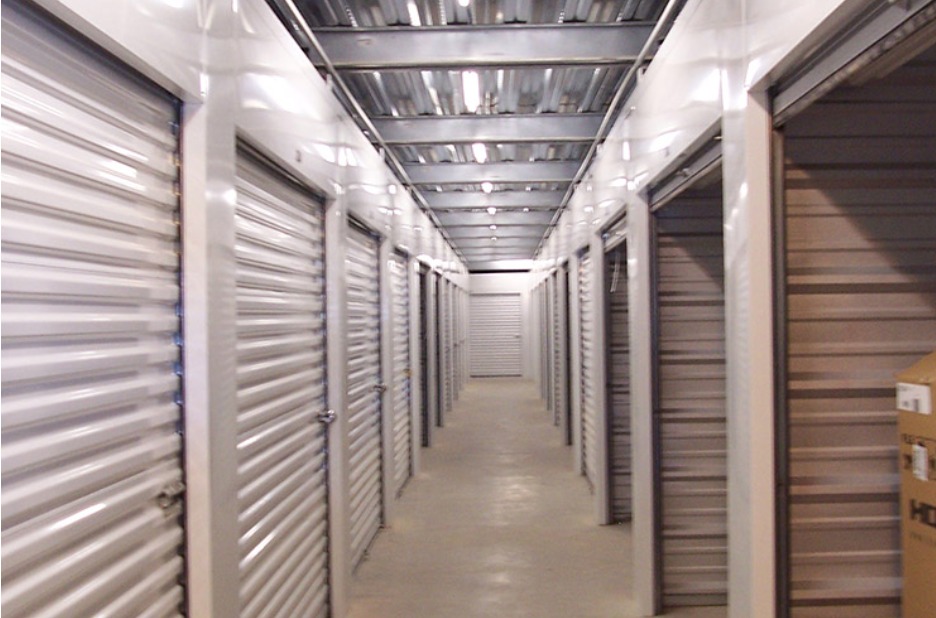
You've decided you need a storage unit. Maybe you're moving across town, clearing out the garage before a renovation, or finally reclaiming your spare bedroom from that growing pile of holiday decorations. The question that stops most people in their tracks isn't whether they need storage. It's figuring out exactly what size storage unit they need.
Pick a unit that's too small and you'll spend a frustrating afternoon playing real-life Tetris with your furniture, only to realize half your boxes still won't fit. Pick one that's too large and you're paying for empty air every month. Neither situation feels great.
This guide breaks down every standard storage unit size, from a compact 5x5 closet all the way up to massive flex units built for farm equipment and commercial inventory. More importantly, it walks through real scenarios: apartments, houses, businesses, motorcycles, seasonal gear, and more. By the end, you'll know exactly which unit matches your situation.
If you want a quick answer based on what you own, Master Storage 365's interactive storage unit size guide lets you select specific items and get an instant recommendation.
Why Choosing the Right Storage Unit Size Matters
Storage units aren't one-size-fits-all, and the difference between sizes can be significant, both in monthly cost and usability. Here are the most common mistakes people make:
- Underestimating how much they own. That "just a few boxes" situation almost always turns into a couch, a bookshelf, six bins of winter clothes, and a treadmill you forgot about.
- Forgetting to account for walkway space. If you pack a unit wall to wall, you can't reach anything in the back without unloading the entire thing.
- Ignoring vertical space. Most storage units have 8 to 10-foot ceilings. Stacking boxes and furniture properly can double your usable capacity.
- Choosing based on price alone. A smaller unit that forces you to cram everything in risks damage to your belongings. Spending a little more for the right fit protects your stuff long-term.
The scenarios in this guide use real-life examples so you can match your situation to a specific unit size, rather than guessing.
Storage Unit Size Comparison Chart
Below is a quick-reference table covering every standard unit size. Use this as your starting point, then read the detailed scenario sections further down for a more precise recommendation.
_07082026083016446.jpeg)
Now let's get into the specifics. Each section below covers a common storage scenario so you can find the one that matches your needs.
What Size Storage Unit for a Studio Apartment
Recommended size: 5x10
A studio apartment typically holds a bed, a small couch or futon, a dresser, a desk, and a handful of boxes. All of that fits comfortably in a 5x10 unit with room to spare.
If you're a true minimalist with only a mattress, a few boxes, and a couple of small furniture pieces, a 5x5 might work. But most studio dwellers accumulate more than they think, especially once you factor in kitchen supplies, linens, and that awkward collection of things that live under the bed.
Tips for studio apartment storage:
- Disassemble your bed frame and stand the mattress on its side against the wall to free up floor space.
- Use dresser drawers as bonus storage for small items, clothes, or linens.
- Stack boxes heaviest on the bottom, lightest on top, and label every side so you can find things without unstacking.
What Size Storage Unit for a 1-Bedroom Apartment
Recommended size: 10x10
A one-bedroom apartment usually contains a full bedroom set (bed, nightstands, dresser), a living room setup (couch, coffee table, TV stand), plus kitchen items, bathroom supplies, and anywhere from 20 to 40 boxes of personal belongings.
A 10x10 unit gives you 100 square feet, roughly the size of half a one-car garage. With smart stacking, that's enough to hold the full contents of most one-bedroom apartments. Wondering is a 10x10 storage unit enough? For a one-bedroom apartment, it almost always is.
Tips for 1-bedroom apartment storage:
- Place the couch and mattress along the back wall first, standing upright when possible.
- Fill gaps with boxes and smaller items to eliminate wasted space.
- If you have fragile electronics or wooden furniture, consider a climate-controlled unit to protect against California's summer heat.
- Keep an access aisle down the center so you can reach items in the back without a full unload.
What Size Storage Unit for a 2-Bedroom House
Recommended size: 10x15 or 10x20
A two-bedroom house contains significantly more than an apartment. You're dealing with a full living room, dining room, two bedrooms worth of furniture, a garage full of tools and outdoor gear, and usually a lot more boxes than you expected.
For a two-bedroom house with a moderate amount of furniture, a 10x15 (150 sq ft) typically does the job. If you're packing up a well-furnished home with appliances, outdoor furniture, and a garage full of extras, bump up to a 10x20.
Tips for house storage:
- Wrap upholstered furniture in moving blankets or plastic wrap to prevent dust and moisture damage.
- Disassemble tables, bed frames, and shelving units. Store legs and hardware in labeled bags taped directly to the furniture they belong to.
- Place appliances (washer, dryer, refrigerator) near the back since you likely won't need access to them until move-in day.
- If storing for more than a few months, climate-controlled storage in Madera or any of our other locations helps prevent warping, mildew, and heat damage to wood and fabric.
What Size Storage Unit for Moving
Recommended size: Varies (10x10 to 10x20 for most households)
Moving creates a unique storage need because you often need everything out of your old place before your new place is ready. That means the entire contents of your home need to fit, not just selected items.
Here's a general guideline based on home size:
- Studio or 1-bedroom: 5x10 or 10x10
- 2-bedroom: 10x15 or 10x20
- 3-bedroom: 10x20 or 10x30
- 4+ bedroom: 10x30 or larger
If your closing dates don't line up or your new home needs work before you can move in, having the right unit means your belongings stay safe and accessible during the gap. Master Storage 365 even offers a complimentary in-town moving van with unit rental at select locations, which makes the transition smoother if you're relocating within Reedley, CA storage, Madera storage units, or Lemoore storage areas.
Moving storage tips:
- Pack a "first-night" box with essentials (toiletries, phone chargers, a change of clothes, important documents) and place it at the front of the unit so it's the last thing in and first thing out.
- Create an inventory list before loading. It saves hours of searching later.
- Use uniform box sizes when possible. Mixed sizes create unstable stacks.
What Size Storage Unit for Business Inventory
Recommended size: 10x15 to 10x30+ (or flex units for larger operations)
Small businesses use storage for everything from e-commerce inventory and retail overstock to documents, marketing materials, and office furniture between leases. The right unit size depends heavily on what you're storing and how often you need access.
For small e-commerce or retail inventory: A 10x10 or 10x15 provides enough room for shelving, product bins, and packing supplies with space to move around.
For larger operations: Businesses with palletized inventory, seasonal overstock, or bulky equipment should look at 10x20, 10x30, or extra large storage units. Master Storage 365's flex units are specifically designed for commercial use, offering the square footage of a small warehouse without the overhead of a commercial lease.
Business storage tips:
- Install freestanding metal shelving to maximize vertical space and keep inventory organized by SKU or category.
- Climate-controlled units are strongly recommended for electronics, paper goods, cosmetics, food packaging, and anything heat-sensitive. California's Central Valley can push summer temperatures well above 100°F.
- Take advantage of 24/7 access so you can pull inventory or restock outside of normal business hours.
- Ask about business-friendly amenities like mailbox rentals and conference room access at select Master Storage 365 locations.
What Size Storage Unit for Contractors and Tools
Recommended size: 10x15 to 10x20 (or larger for heavy equipment)
Contractors, tradespeople, and construction crews need a different kind of storage. You're not storing couches and kitchen boxes. You're storing power tools, lumber, pipe, ladders, toolboxes, and possibly a trailer or work vehicle.
A 10x15 handles most individual contractor setups: a few tool chests, power saws, a compressor, and materials for upcoming jobs. If you have a small trailer, riding mower for landscaping, or bulk materials, a 10x20 or larger drive-up unit with ground-level access makes loading and unloading far easier.
Contractor storage tips:
- Choose a drive-up unit so you can back your truck right up to the door. This saves huge amounts of time, especially with heavy gear.
- Use pegboard or wall-mounted organizers inside the unit for hand tools and smaller equipment.
- Store flammable materials (solvents, paints, fuels) according to facility guidelines. Some items may be restricted.
- A 10x20 with high ceilings can accommodate most standard-length lumber and pipe stored vertically or on racks.
What Size Storage Unit for Motorcycle Storage
Recommended size: 5x10 or 10x10
If you're asking "what size storage unit for motorcycle," the answer is almost always a 5x10. A standard motorcycle (cruiser, sport bike, or touring bike) is roughly 7 to 8 feet long and 2 to 3 feet wide. A 5x10 unit gives you 50 square feet, which is enough for the bike itself plus a little room for a helmet, cover, and maintenance supplies.
If you have two bikes, or if you want space to walk around the motorcycle and store riding gear, a 10x10 is the better option. It also works well if you plan to do light maintenance inside the unit.
Motorcycle storage tips:
- Use a fuel stabilizer and fill the tank before storing to prevent condensation and fuel degradation.
- Place the bike on a center stand or paddock stand to keep weight off the tires during long-term storage.
- Consider a climate-controlled unit if you're storing a bike through California's hottest months. Extreme heat can deteriorate rubber seals, tires, and battery life faster.
- Cover the motorcycle with a breathable fabric cover (not plastic) to prevent dust without trapping moisture.
- A drive-up unit is ideal for motorcycles since you can ride or roll the bike directly inside
What Size Storage Unit for Seasonal Items
Recommended size: 5x5 or 5x10
Holiday decorations, summer patio furniture, winter sports gear, camping equipment: seasonal items have a habit of taking over closets and garages for months at a time. A small storage unit keeps them organized and out of the way until you actually need them.
A 5x5 unit (25 sq ft) holds an impressive amount of seasonal gear. Think 10 to 15 standard moving boxes, a small artificial Christmas tree, bins of ornaments, and a couple of folding chairs. If you also want to store larger items like a patio furniture set, kayak, or multiple sets of skis, step up to a 5x10.
Seasonal storage tips:
- Use clear plastic bins instead of cardboard boxes so you can see contents at a glance.
- Label bins by season and store the current off-season items toward the front for easy rotation.
- Climate-controlled storage protects delicate ornaments, fabric items, and electronics from the temperature swings that are common in California's Central Valley.
- If you rotate items twice a year (summer/winter), schedule your switchout days so you're in and out quickly.
What Size Storage Unit for Farm and Oversized Equipment
Recommended size: 10x30+ or extra large flex units
Farm equipment, construction machinery, and oversized tools don't fit in standard units. Tractors, ATVs, large trailers, and commercial vehicles need the kind of space that only oversized storage can provide.
Master Storage 365 offers extra large storage units that give you the floor space and ceiling height to accommodate equipment that would be turned away by typical storage facilities. These flex units work especially well for Central Valley agricultural operations where equipment needs a secure, protected home during off-season months.
What fits in oversized and flex units:
- Tractors and riding mowers
- ATVs and UTVs
- Construction trailers
- Contractor equipment fleets
- Palletized commercial inventory
- Farm implements and attachments
- Boats and recreational vehicles
Farm and equipment storage tips:
- Measure your largest piece of equipment before choosing a unit. Include height with any raised components (roll bars, antennas, exhaust stacks).
- Drain or stabilize fuel in all motorized equipment before storage.
- Ground-level drive-up access is essential for anything with wheels or that needs to be loaded by forklift.
- If you're storing multiple pieces, sketch a quick layout plan before loading day. It saves time and prevents having to rearrange 2,000-pound equipment.
What Size Storage Unit for a Car
This is one of the most common sizing questions, and it deserves its own dedicated breakdown. In general, a 10x20 unit fits most sedans, SUVs, and pickup trucks, while compact cars can sometimes fit in a 10x15. Larger vehicles like cargo vans and extended-cab trucks need a 10x30 or bigger.We've already written a detailed guide covering exact car dimensions, unit recommendations by vehicle type, and preparation steps. Read the full breakdown here: what size storage unit for a car.
How to Organize a 10x10 Storage Unit
The 10x10 is by far the most popular storage unit size, and for good reason. At 100 square feet, it's versatile enough for a one-bedroom apartment, a small business inventory, or a substantial collection of household items. But 100 square feet only works if you organize it well.Here's a step-by-step approach to organizing a 10x10 unit efficiently:
Step 1: Plan Before You Pack
Create a rough layout on paper. Identify your largest items (couch, mattress, dresser, appliances) and plan where each one goes. Large, heavy items belong along the back and side walls. Items you'll need to access regularly belong near the front.
Step 2: Build a Foundation
Place pallets or plastic sheeting on the floor if your unit isn't climate-controlled. This creates a moisture barrier between your belongings and the concrete floor. Then position your heaviest furniture pieces along the back wall: dressers standing upright, the couch on its end, the mattress against the wall in a mattress bag.
Step 3: Stack Smart
Stack boxes in columns, heaviest on the bottom. Keep columns no taller than you can safely reach. Use uniform box sizes for stability. Fill gaps between furniture with smaller boxes, bags, and odd-shaped items.
Step 4: Leave an Aisle
Leave a narrow walkway down the center of the unit, roughly 2 feet wide. This is the single most important organizational step. Without it, accessing anything behind the front row means unloading half the unit. With it, you can reach the back in seconds.
Step 5: Label Everything
Label boxes on at least two sides (front and top) so you can identify contents whether the box is facing you or stacked above you. Use a numbering system that matches an inventory list on your phone for fast lookups.
Step 6: Protect Fragile and Climate-Sensitive Items
Wrap mirrors, framed art, and glass items in bubble wrap and store them vertically between mattresses or couch cushions for padding. For electronics, documents, or leather furniture, climate-controlled storage makes a noticeable difference, especially during long California summers where temperatures inside a standard unit can exceed what's safe for sensitive materials.
Oversized and Flex Storage: When Standard Units Aren't Enough
Not every storage need fits into the standard 5x5 through 10x30 range. Businesses with large inventories, agricultural operations, contractors with equipment fleets, and anyone storing commercial-grade machinery need something bigger.
That's exactly why Master Storage 365 offers flex and extra large units. These units provide 400+ square feet of secure, accessible space that functions like a personal warehouse. Unlike renting commercial warehouse space, there's no long-term lease commitment, no utility bills, and no property maintenance to worry about.
Who benefits most from oversized storage:
- E-commerce businesses needing organized inventory space with room for packing stations
- Contractors storing trailers, scaffolding, large tool inventories, and job site materials between projects
- Agricultural operations housing tractors, implements, and seasonal equipment during the off-season
- Auto enthusiasts with multiple vehicles or restoration projects
- Businesses in transition that need to store office furniture, fixtures, and inventory between locations
Unit availability and sizing options vary by location. Master Storage 365 facilities in Reedley, Madera, and Lemoore each offer different configurations, so it's worth checking availability at the location nearest you. Learn more about our extra large storage units or contact us directly to discuss your specific requirements.
Climate-Controlled vs. Standard Units: Which Do You Need?
Climate-controlled units maintain a stable temperature range (typically between 55°F and 80°F) regardless of what's happening outside. In California's Central Valley, where summer temperatures routinely exceed 100°F and winter nights can dip near freezing, that stability matters more than most people realize.
You should strongly consider climate-controlled storage if you're storing:
- Wood furniture (prevents warping and cracking)
- Electronics and appliances (protects circuit boards and screens)
- Leather goods (prevents drying and cracking)
- Photographs, documents, and books (prevents yellowing and mildew)
- Musical instruments (prevents warping and string degradation)
- Wine or temperature-sensitive consumables
- Artwork and antiques
- Business inventory with specific temperature requirements
Standard drive-up units work fine for:
- Metal tools and equipment
- Outdoor furniture and sporting goods
- Vehicles (with proper preparation)
- Durable plastic bins of holiday decorations
- Lawn and garden equipment
The cost difference between standard and climate-controlled units is typically modest, and the protection it provides often pays for itself by preventing damage to valuable or irreplaceable items.
Quick Tips for Choosing the Right Size
Still not sure what size storage unit you need? These final tips should help you make a confident decision:
- Inventory first, choose second. Walk through your home or business and write down every item going into storage. Then use a storage unit size guide calculator to match items to square footage.
- When in doubt, go one size up. The cost difference between a 10x10 and 10x15 is usually small, but the extra space gives you room to organize properly and access items without hassle.
- Think about duration. Storing for two weeks during a move? Packing things tight is fine. Storing for six months or more? You'll want room to walk in and reorganize as needed.
- Visit the facility. Photos and dimensions help, but standing inside an empty unit gives you a much better sense of scale. Stop by a Master Storage 365 location in Reedley, Madera, or Lemoore to see units in person.
- Ask the team. Storage professionals have seen thousands of move-ins. They can look at your inventory list and recommend the right size quickly and accurately.
Frequently Asked Questions
How do I know what size storage unit I need?
Start by listing everything you plan to store. Group items into categories (furniture, boxes, equipment, vehicles) and estimate the total volume. Then compare your list against the size chart in this guide or use Master Storage 365's storage unit size guide calculator. As a general rule: studio apartments fit in a 5x10, one-bedroom apartments fit in a 10x10, two-bedroom houses fit in a 10x15 or 10x20, and larger homes need 10x20 or above.
Is a 10x10 storage unit enough?
For most one-bedroom apartments and small offices, yes. A 10x10 offers 100 square feet with tall ceilings, giving you roughly 800 cubic feet of usable space when you stack efficiently. It can hold a full bedroom set, a couch, dining table, several appliances, and 30+ boxes. For a more detailed breakdown, check out our guide: is a 10x10 storage unit enough.
Can a car fit in a storage unit?
Yes. Most sedans and SUVs fit in a 10x20 unit. Compact cars may fit in a 10x15, and larger vehicles like cargo vans need a 10x30 or bigger. The key is measuring your vehicle's length and width before choosing a unit and making sure you'll have clearance on all sides. For the full guide on car storage sizing, vehicle preparation, and unit types, visit: what size storage unit for a car.
What size storage unit is best for business inventory?
It depends on the volume and type of inventory. Small e-commerce operations often do well with a 10x10 or 10x15 outfitted with shelving. Larger businesses with palletized goods, seasonal overstock, or bulky equipment should consider 10x20, 10x30, or flex units. Master Storage 365's extra large storage units are purpose-built for commercial storage needs and offer the space of a small warehouse without a commercial lease.
Are climate-controlled storage units worth it?
If you're storing anything that can be damaged by heat, cold, humidity, or temperature swings, absolutely. Wood furniture, electronics, leather, documents, artwork, and musical instruments all benefit significantly from stable temperatures. In California's Central Valley, where summer highs regularly top 105°F, the inside of a standard unit can get dangerously hot for sensitive belongings. The additional monthly cost for climate control is typically modest and well worth the protection it provides.
Find the Right Size at Master Storage 365
Figuring out what size storage unit you need doesn't have to be complicated. Match your situation to the scenarios above, use the size chart as a quick reference, and don't hesitate to reach out to the Master Storage 365 team for a personalized recommendation.
With facilities in Reedley, CA storage, Madera storage units, and Lemoore storage, we offer everything from compact 5x5 units to massive flex spaces for commercial and agricultural use. Every facility features 24/7 access, smart keyless entry, security cameras, and climate-controlled options to keep your belongings safe year-round.
Ready to reserve your unit? Visit us online or stop by your nearest location to see available sizes in person. Our team is happy to walk you through your options and help you find the perfect fit.